Skip to content
Order
Lepidoptera

Navel Orangeworm

(Amyelois transitella)

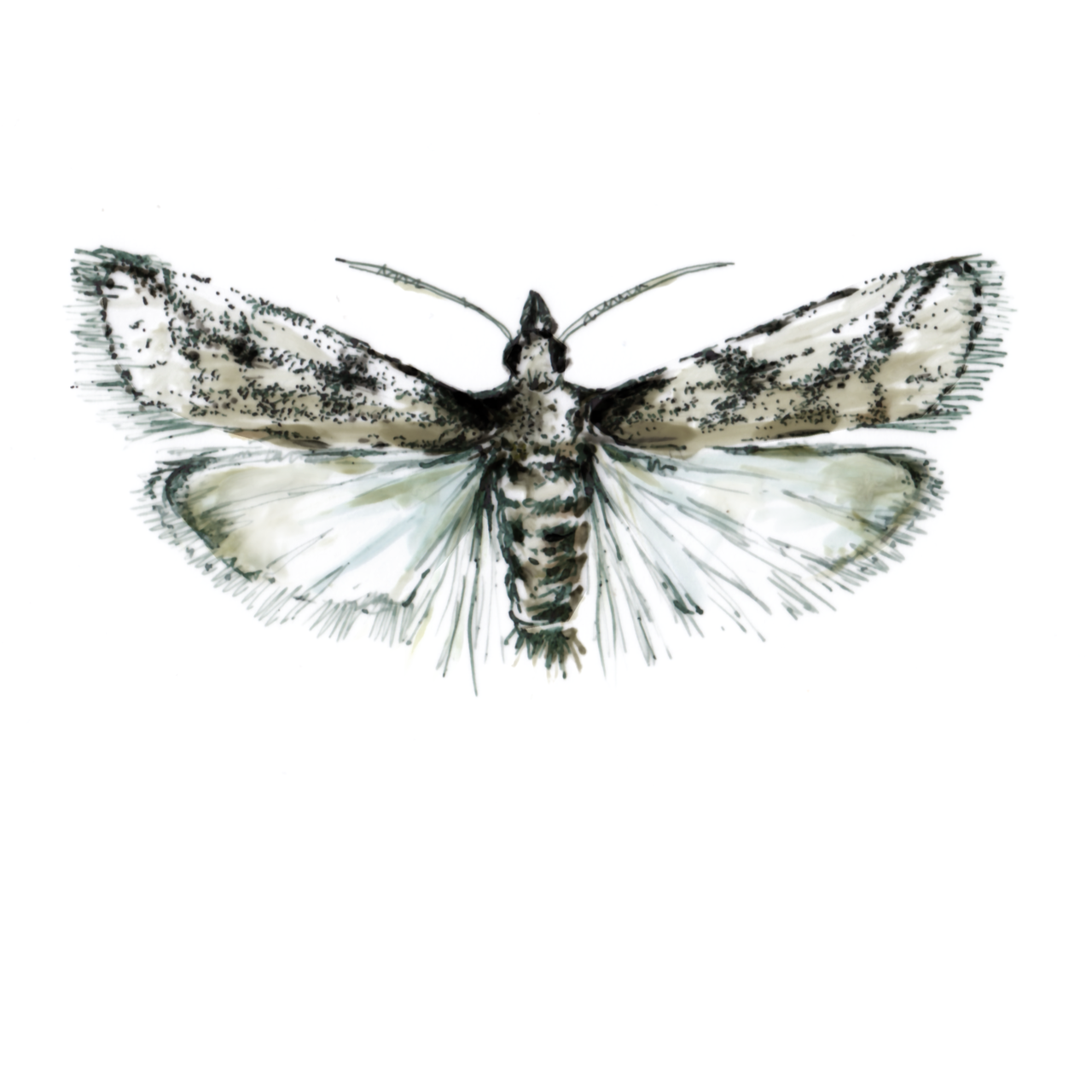
suterra-navel-orangeworm-ilustration

Pest Overview

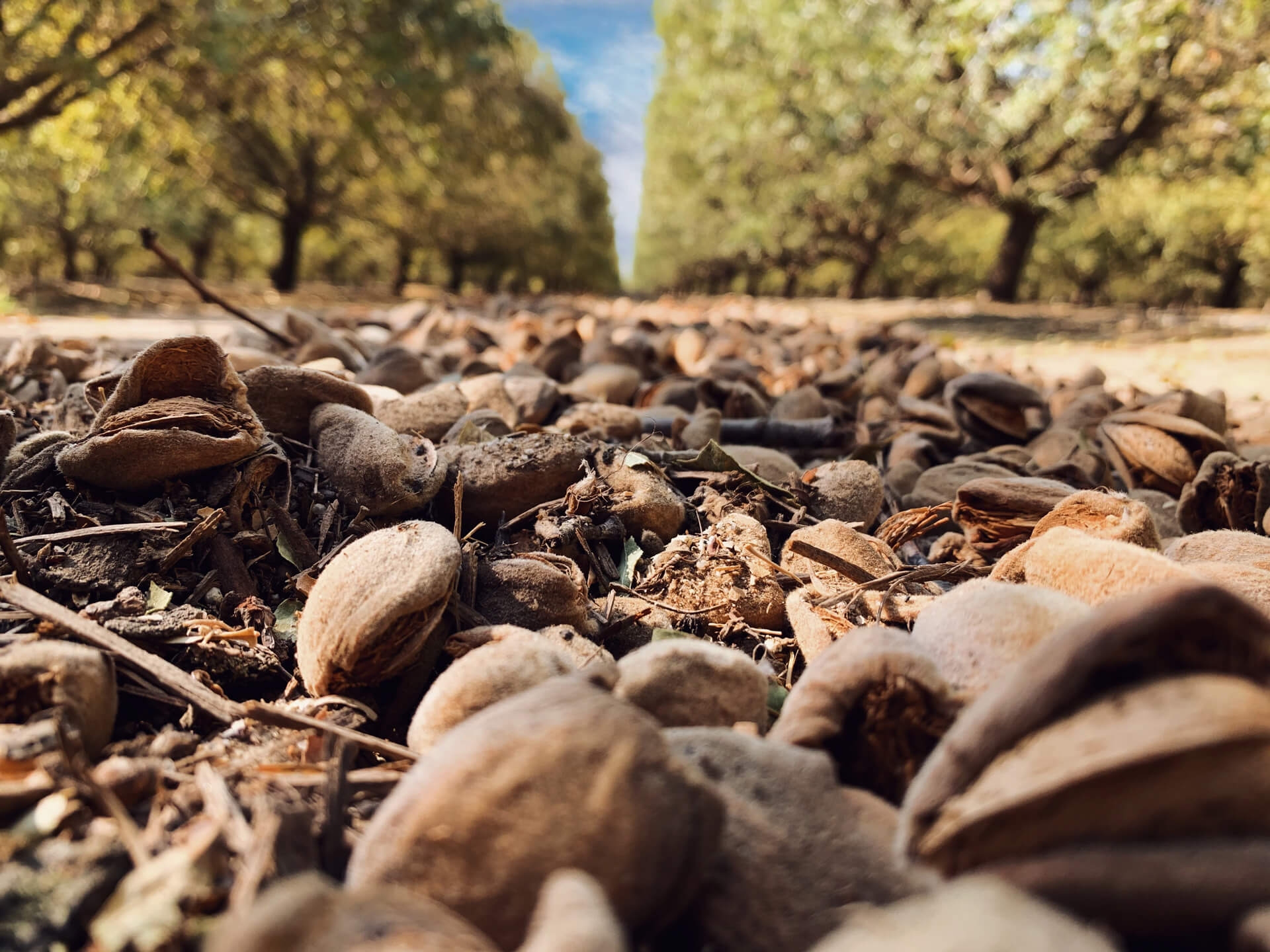
Navel orangeworm (NOW) is a highly destructive pest of nut crops in California. Crops affected by navel orangeworm include almonds, pistachios, and walnuts as well as fruits like pomegranates and figs. Of these crop systems, NOW has the most impact on almonds. It infests orchards by depositing eggs on leftover mummy nuts throughout the season and on the in-season crop at hull split. Once eggs develop into larvae, they feed directly on almonds producing pinhole or tunnel damage and leaving behind large amounts of webbing and frass. This damage also leaves nuts susceptible to aflatoxins. Navel orangeworm damage significantly degrades crop quality, leading to processor downgrades and export rejections. Monitoring, sanitation, insecticide applications and the use of season-long or effectively timed mating disruption are all proven tactics used to minimize NOW pressure in orchards.

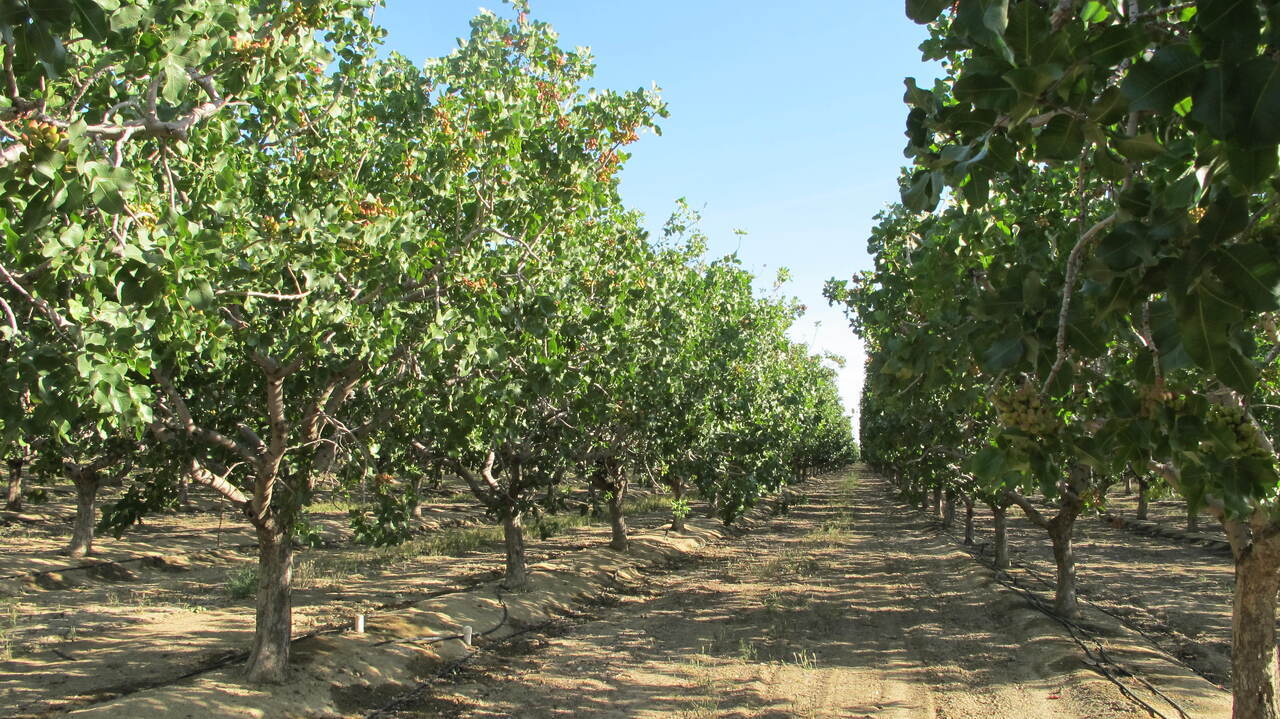
suterra-pistachio-trees-clear-sky

Geographic Distribution

Navel orangeworm was first recorded in Mexico in 1915, then later discovered in Arizona on navel oranges in the same year. This discovery created quarantine restrictions for citrus entering California, but unfortunately, navel orangeworm made its way into California in the 1940s and was reported on walnuts, dates, and dried figs. It has since been established as a key pest in all major nut crop growing regions of the state, in particular the Central and Sacramento Valleys. 

Economic Impact

Navel orangeworm is a persistent economic threat to California’s nut crop industry, particularly almonds and pistachios. Navel orangeworm directly attacks nut kernels, causing both yield and quality losses for growers. Crops that experience any level of navel orangeworm pressure throughout the growing season are more likely to receive price deductions or be rejected at the processor due to visible damage (pinholes, tunnels, webbing, frass), lower kernel weights, and increased risk of aflatoxin contamination. Economic losses vary by crop, geography, and growing season, but even low damage levels (1-2% of infested nuts) can translate into millions of dollars in grower profit loss. 

_DSC1471

Biological Stages

Navel orangeworm have four developmental life stages: egg, larva, pupa, and adult. Moths can overwinter in their larval stage on mummy nuts in trees or leftover on orchard floors. These larvae then emerge in the spring as the growing season’s first generation of navel orangeworm. Navel orangeworm have the potential to produce up to four generations in a growing season in California.

Egg Stage:

Navel orangeworm eggs are small, ranging from 0.5-1 mm in size, and oval shaped. Adult female moths deposit eggs directly on mummy, damaged or split hull nuts. Eggs are milky white when first laid, then turn pinkish-orange prior to larval emergence.

Larval Stage:

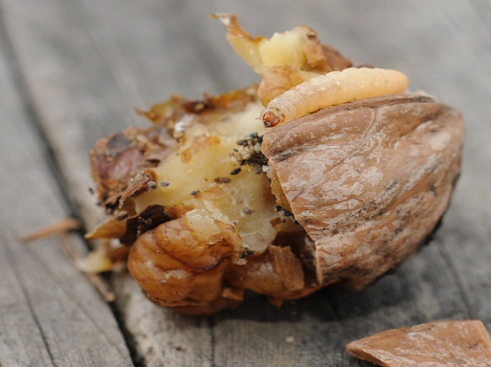
Larvae undergo many development instars before pupation. They are milky white at first, transition into reddish orange, then finally pinkish orange. They can be identified by their brown head capsule and crescent shaped mark. This stage is the most damaging of the pest life cycle because it bores into nuts and feeds, creating large amounts of webbing and frass. In orchards with high pressure, multiple larvae may infest one nut. 

Pupal Stage:

After completing development, larvae pupate within nuts or nearby areas of the orchard. Pupae are brown and often observed surrounded by webbing. This life stage is more of a transitional period between larval feeding and adult reproduction. 

Adult Stage

Adult navel orangeworm vary in size, ranging from 0.5 to 1 inch long. Their wings have irregular grey and brown patterns. Their mouthparts have a snout-like appearance. Adult moths are primarily active during the evening. Activity tends to increase as hull split progresses.

NOWdamage3

Navel Orangeworm: Frequently Asked Questions

What does navel orangeworm damage look like?

Navel orangeworm damage is caused by larvae feeding directly on nuts. In almonds and pistachios, infested nuts are partially consumed and often have small pinholes, webbing, and frass. This damage not only reduces yield and crop quality but also puts almonds at risk of aflatoxin development.

When is navel orangeworm most active in California?

Navel orangeworm larvae overwinter in mummy nuts (unharvested nuts from previous seasons). These larvae emerge as adults in the spring and become the first generation of the growing season. NOW activity intensifies in the summer during hull split, with female moths laying eggs in open hulls. Nut crops are most susceptible to damage late summer leading into harvest.

Why are mummy nuts important for navel orangeworm management?

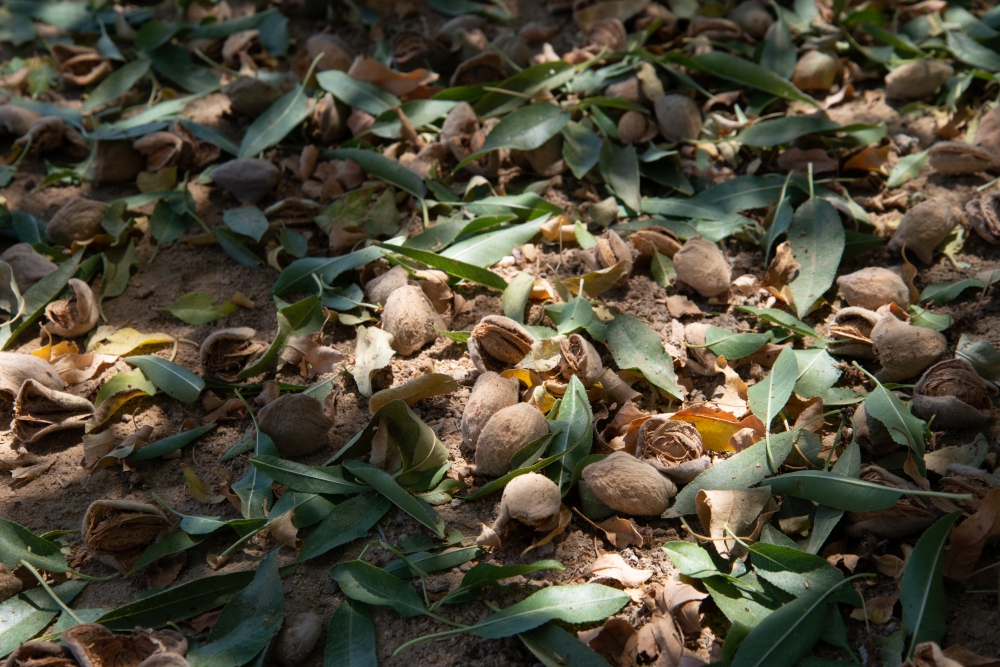
Mummy nuts, or unharvested dried up nuts from previous seasons, make excellent overwintering sites for navel orangeworm. NOW larvae are able to survive inside mummies on trees or orchard floors after harvest and emerge the following spring. Removing and destroying mummy nuts is an IPM tactic known as sanitation. It reduces resources for NOW populations, lowers populations the following growing season, and helps maximize other inputs.

Effective Control of Navel Orangeworm

To effectively manage navel orangeworm, growers should focus on a combination of sanitation, monitoring, insecticide applications, and mating disruption.

suterra-puffer-now-pistachio

Puffer NOW Ace

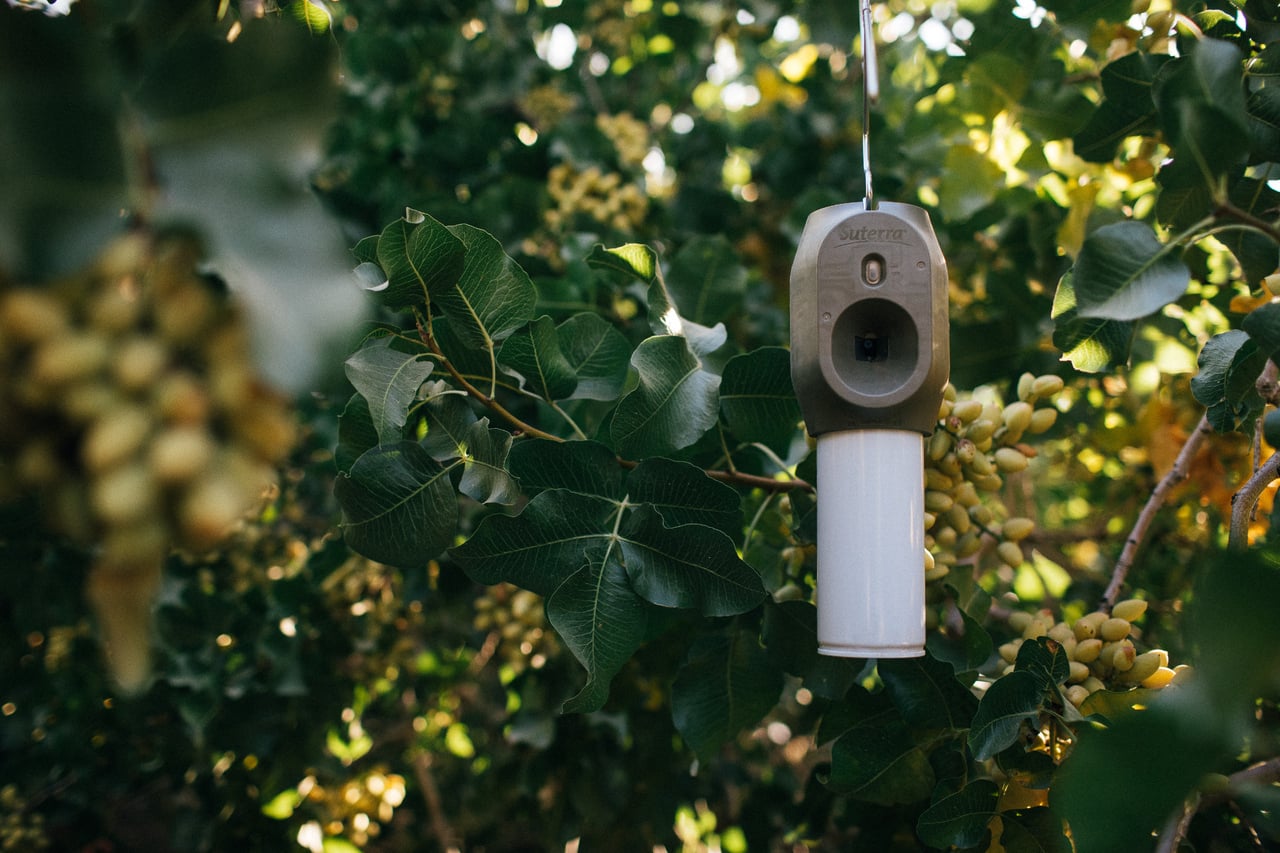
Puffer® NOW Ace is Suterra’s aerosol pheromone formulation for navel orangeworm (NOW) mating disruption in nut crops, figs and other crops where navel orangeworm is a pest. Emitted by our patented Puffer® device, NOW Ace is simple to use and offers a flexible deployment window. The single button auto-start feature will begin puffing when temps are in degree range. Pre-programmed for time zone and pest, this dust and waterproof emitter includes reliable batteries with heat shield material developed for NASA shuttles.
now-o_560x530

Puffer NOW-O Ace

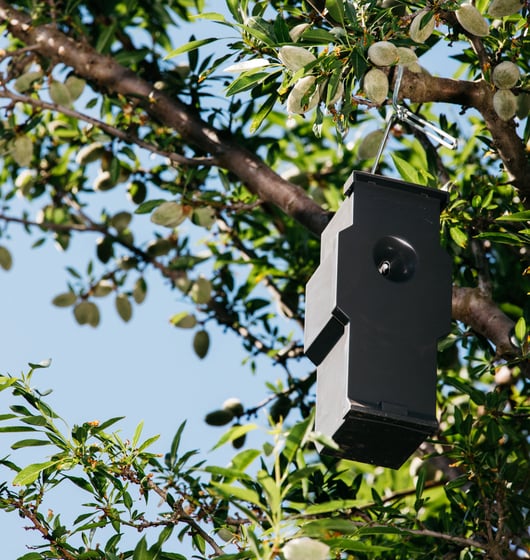
Protect your organic acres with the quality mating disruption platform you’ve come to trust, Puffer®. The Puffer® is now available for navel orangeworm (NOW) control in organic acreage. CheckMate® Puffer® NOW-O Ace™ is Suterra’s aerosol pheromone release formulation for navel orangeworm mating disruption in organic nut crops, figs, and other crops where the navel orangeworm is a pest.
Suterra_now-4501 v2

CheckMate NOW-F

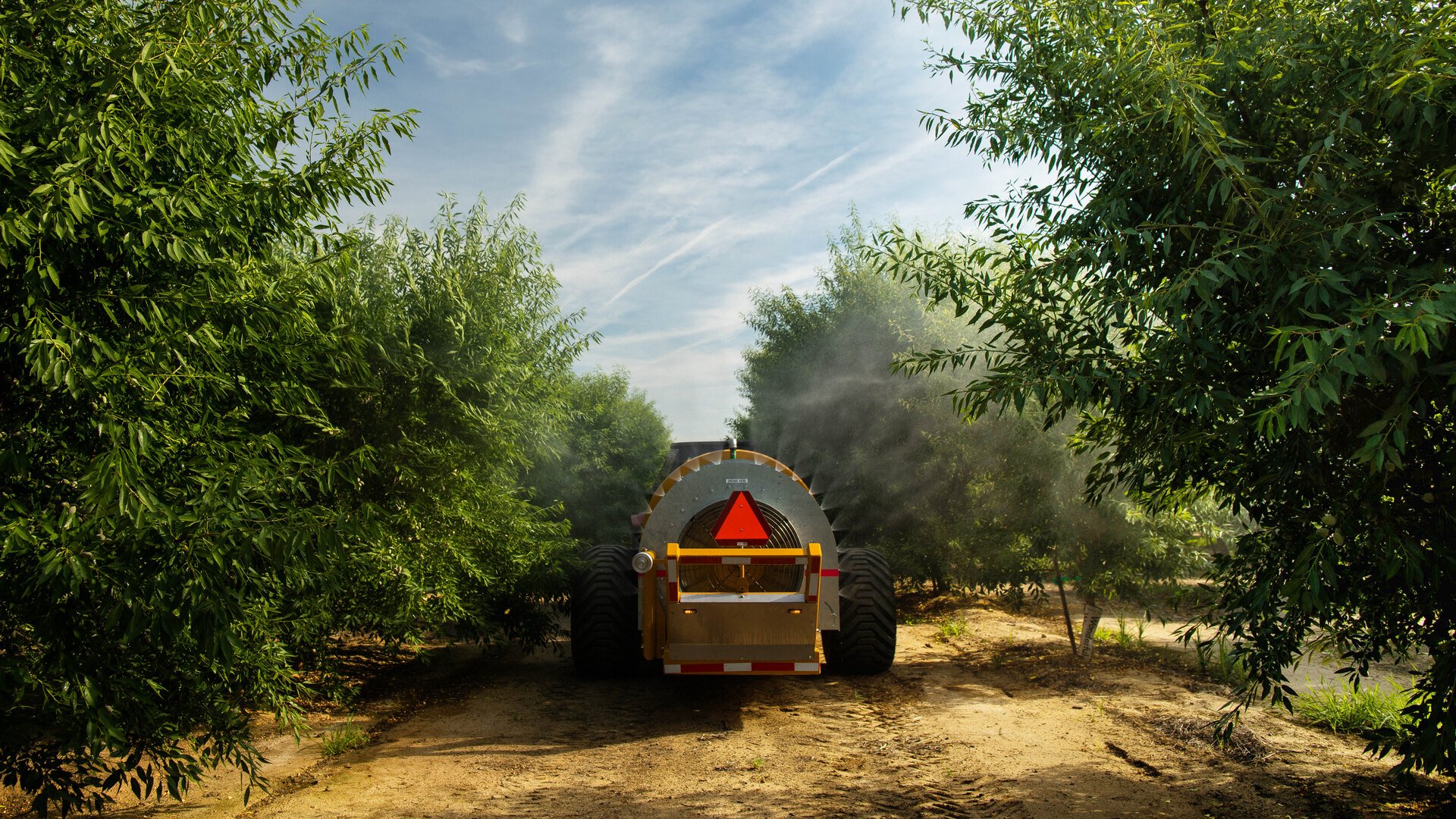
CheckMate® NOW-F is Suterra's pioneering sprayable pheromone formulation for navel orangeworm (NOW) mating disruption in nut crops, figs and other crops where the navel orangeworm is present. The world's first sprayable pheromone option for NOW control, this product easily fits into growers' existing integrated pest management (IPM) program. It is tank mixable with common agrochemicals and works well with nearly any water volume. It can also be applied aerially. CheckMate® NOW-F gives growers the flexibility to tailor the number of sprays each season depending on the timing and pressure of NOW flights in their fields.

"Bees provide an important role to pollinate our almond trees. Suterra uses a naturally occurring compound and they have zero effect on bee health."

wonderful-orchards

Roberto Iturralde
PCA | Wonderful Orchards

Want to talk NOW?

Complete the form below and we will contact you promptly.

Updates for California Nut Crops

Updates for California Nut Crops

Sep 3, 2025, 4:07:51 PM

Easy Deployment of Puffer® Starts with Thoughtful Engineering

Easy Deployment of Puffer® Starts with Thoughtful Engineering

Feb 11, 2026, 11:01:30 AM

sut-checkmate-vmb-f-usa-landscape

The Science of Microencapsulated Pheromone Technology

Apr 17, 2023, 10:37:55 AM

Almond Harvest: Evaluating Your Navel Orangeworm IPM Program

Almond Harvest: Evaluating Your Navel Orangeworm IPM Program

Sep 4, 2024, 9:00:00 AM