Codling Moth
(Cydia pomonella)
Pest Overview
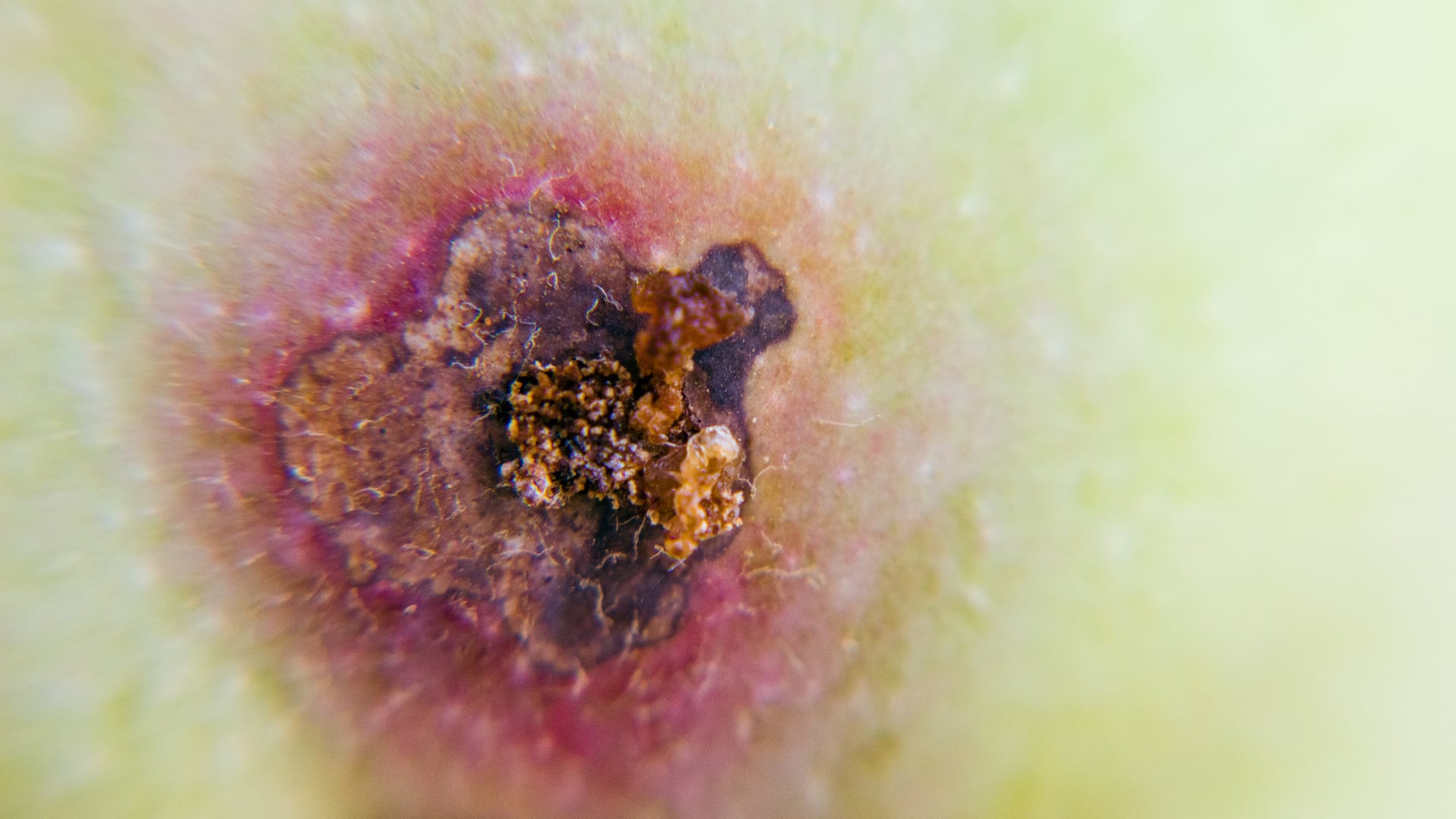
Codling moth (CM) is one of the most destructive pests of pome fruit crops worldwide. Crops affected by codling moth include apples, pears, and walnuts, with apples being the most economically impacted. Codling moth infests orchards by depositing eggs on leaves and developing fruit throughout the growing season. Newly hatched CM larvae bore directly into fruit skin, feed internally, and in severe cases burrow to the core of fruit to feed on seeds. As they feed, large amounts of frass are pushed out of entry holes. These two types of damage are known as “stings” and “deep entries.” Both render fruit unmarketable for the fresh market, with deep entries creating bacterial rot problems for stored fruit and juicing. In walnuts, larval feeding damages kernels and can increase susceptibility to mold contamination. Monitoring, sanitation, physical barriers, insecticide applications, and the use of aerosol, dispenser, or sprayable mating disruption are all proven tactics used to minimize codling moth pressure in orchards.
Geographic Distribution
Codling moth is believed to have originated in central Asia but has affected pome fruit in North America for centuries. In the early 1900s, codling moth was a key pest in all North American apple growing regions. It was largely uncontrolled until the advent of synthetic insecticides in the 1940s.
Apart from Japan, codling moth continues its development in all major apple growing regions of the world, but can be managed by a variety of integrated pest management tactics.
Economic Impact
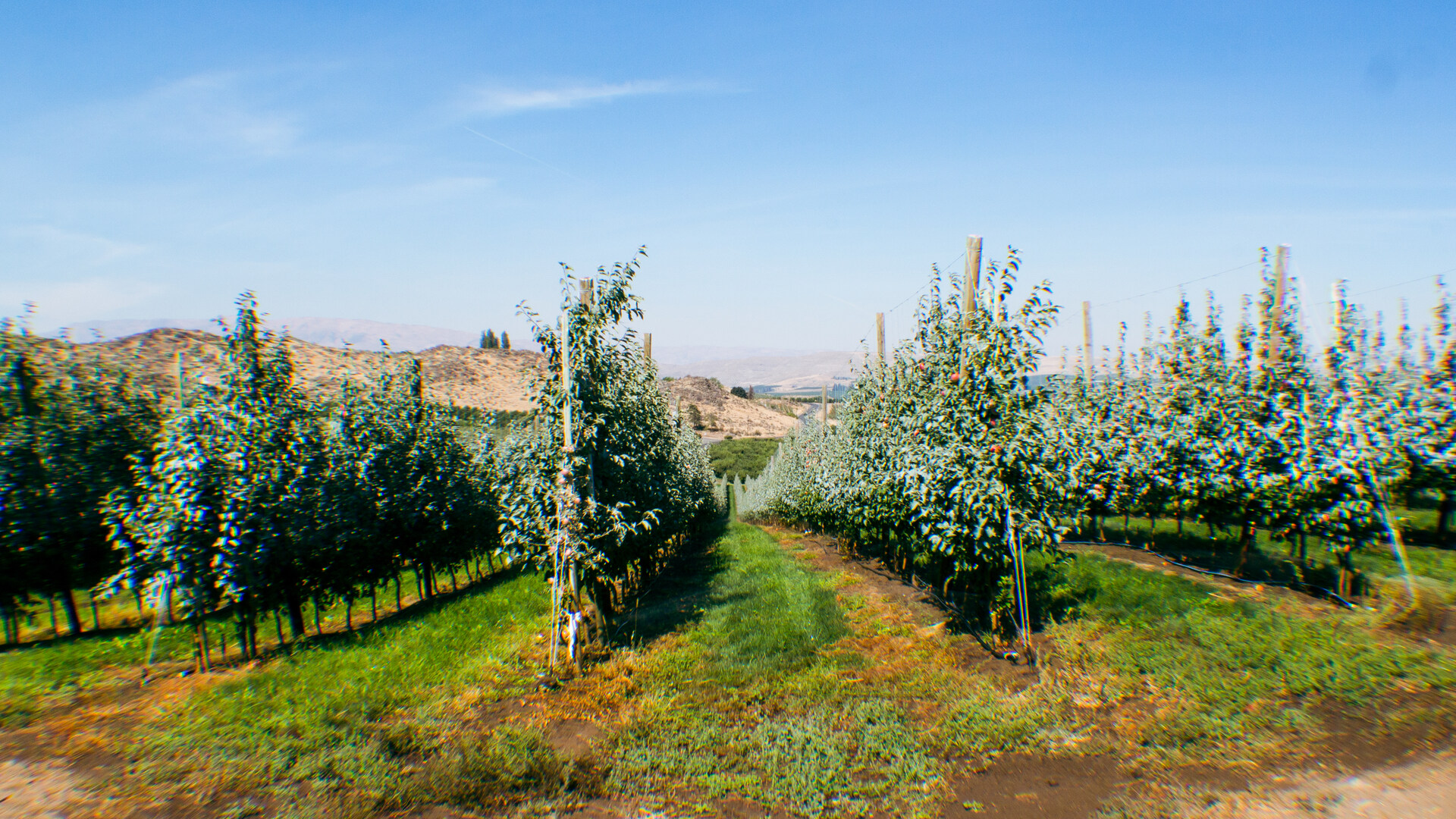
Codling moth is an economically damaging pest of pome fruit production worldwide and is considered a key pest of apples in the Pacific Northwest. It significantly impacts major apple, pear, and walnut producing regions in Washington, Oregon, and California.
Codling moth larvae bore directly into fruit and feed internally, leaving visible entry holes, tunnels, and frass that render fruit unmarketable for fresh, processing, and export markets. Because even a single larva can make fruit unsuitable for sale, economic thresholds for codling moth are extremely low, and infestation levels as little as 1% can lead to rejected loads or export restrictions.
Codling moths undergo four developmental life stages: egg, larva, pupa, and adult. CM tend to overwinter in the larval stage beneath loose bark, in orchard debris, or around storage bins. Around springtime, these overwintering larvae pupate and then emerge during the growing season.
Codling moths typically have 2-3 flights per year, with a partial 4th flight sometimes observed in warmer growing regions. Codling moth’s developmental timeline varies from year to year and region to region.
Egg Stage:
Codling moth eggs are oval, flat, and transparent. They are quite small, measuring 2mm long. Adult moths typically lay eggs on individual leaves or fruit. Due to their size, they are difficult to locate in commercial orchards.
Larval Stage:
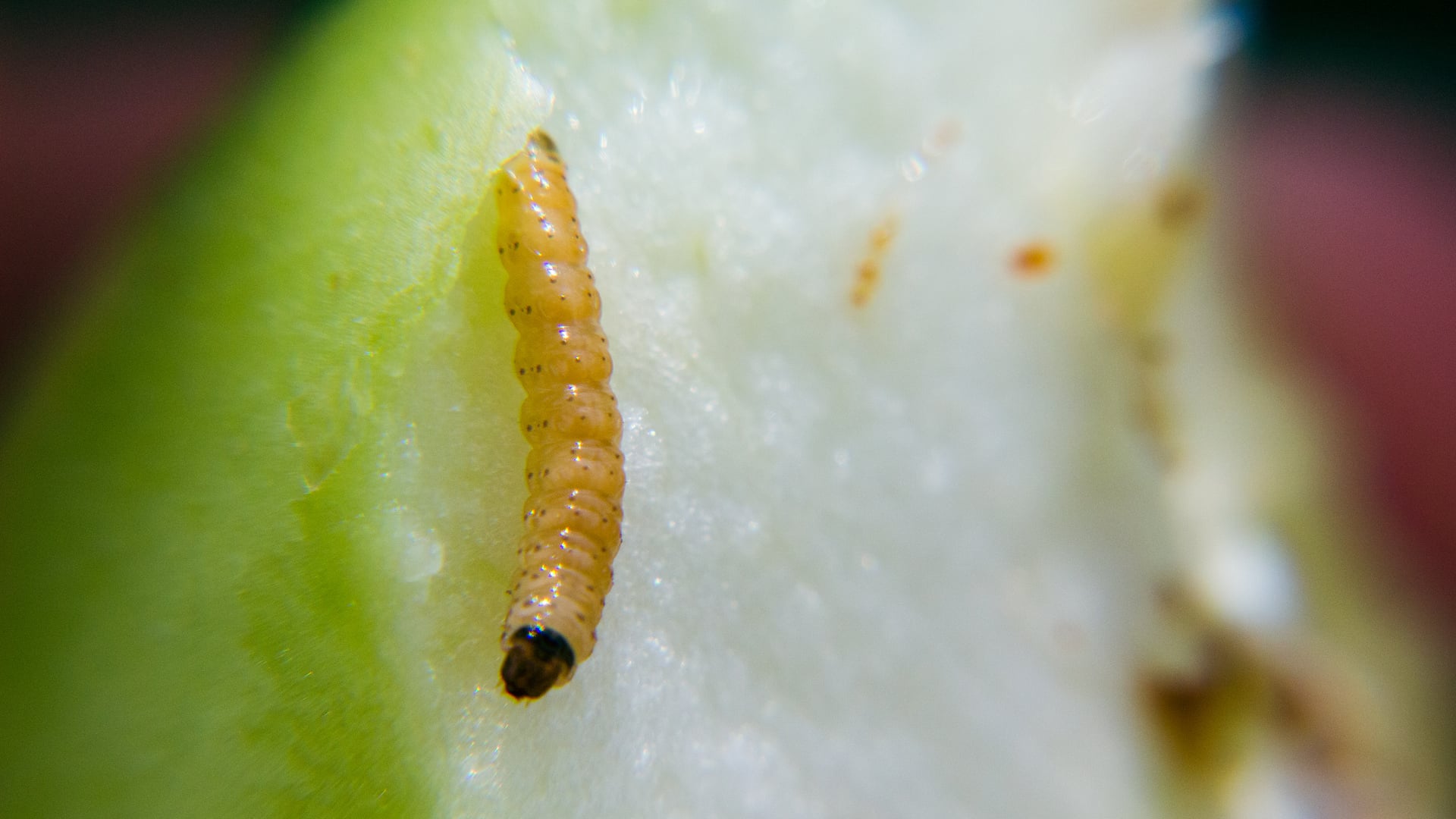
After hatching, larvae remain small, measuring about 2-3mm long. Post feeding and fully grown, they can reach anywhere from 12-20mm. Mature larvae are creamy white, have dark head capsules (brown or black) and thoracic shields (hard, protective collars directly behind their head capsules). CM larvae are unique because they burrow through fruit to its core and seeds, feeding heavily and emitting frass along the way.
Pupal Stage:
When feeding concludes, larvae exit fruit and search for protected areas of the tree to spin cocoons. In the pupal stage, CM are brown and reside within cocoons. Pupae are immobile and develop into adult flying moths.
Adult Stage:
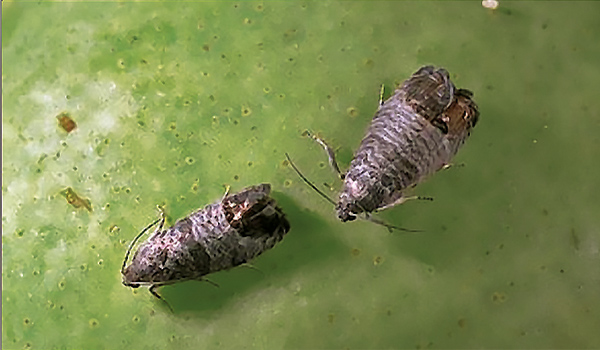
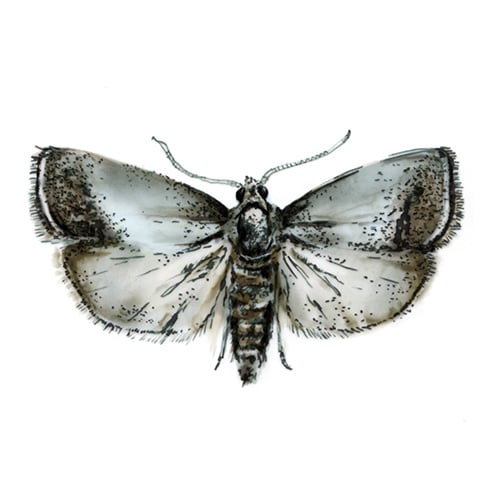
Adult codling moths are about 12mm long. The majority of their wing pattern has alternating bands of light brown and gray, with bronze colored wing tips that reflect sunlight. Moths tend to be most active on warm evenings above 60 °F.
Codling Moth: Frequently Asked Questions
What does codling moth damage look like?
Codling moth damage occurs when larvae feed on developing fruit. In apples and pears, larvae bore through fruit skin, creating small entry holes known as stings or tunnel deep into fruit to feed on seeds. As larvae feed, they produce frass that spills out of the entry hole, which is a telltale sign of infestation.
When is codling moth most active?
Codling moth activity begins in spring after overwintering larvae emerge. Female moths lay eggs on leaves and developing fruit throughout the season, with egg hatch closely tied to temperature. Codling moth typically have 2-3 generations in major apple growing regions. Growers use pheromone traps to monitor populations during the growing season, but because CM tolerance in the apple market is low, growers treat at any population level.
How do you control codling moth in apples?
Effective codling moth control involves a combination of different integrated pest management tactics such as mating disruption, monitoring, and well-timed insecticide applications. Mating disruption helps lower populations and damage throughout the growing season by releasing pheromones in orchards to prevent moth reproduction. Orchard sanitation, removing culls or waste apples, helps reduce resources for codling moth populations.
Puffer® CM-O Pro
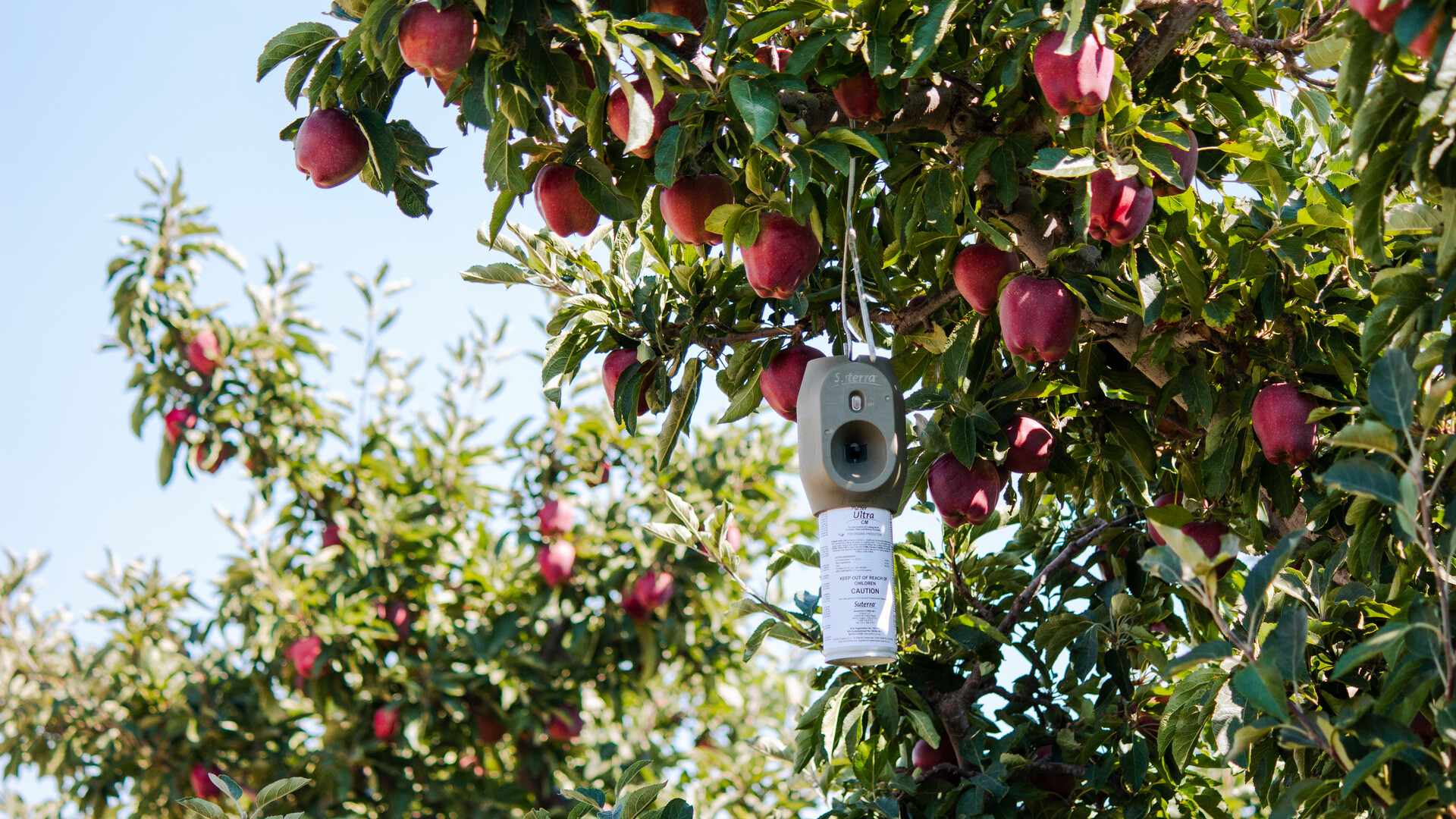
Puffer® CM-O Pro is Suterra's optimized aerosol formulation for codling moth (Cydia pomonella) mating disruption. This proprietary formulation, made in the USA, offers the world's highest quality pheromone. The patented emitter results in enhanced aerosolization of the pheromone creating a spray that better penetrates targeted areas of the canopy and orchard.
Puffer® CM-LR
Suterra’s innovative solution combines multiple pheromones into one can for integrated, season-long control. Authorized for use in organic orchards, CheckMate® Puffer® CM-LR is the best solution for organic growers to control both CM and LR with the ease of a single product. Puffer® CM-LR is fast to deploy, releasing both the codling moth and leafroller pheromones across the orchard for the duration of the season.
Puffer® CM-OFM Pro
CheckMate® Puffer® CM-OFM Pro is Suterra's optimized aerosol release formulation that provides protection against both codling moth (CM) and Oriental fruit moth (OFM) in one product. It can be used in apples, pears and other crops where both CM and OFM are pests.
CheckMate® CM-XL 2.0
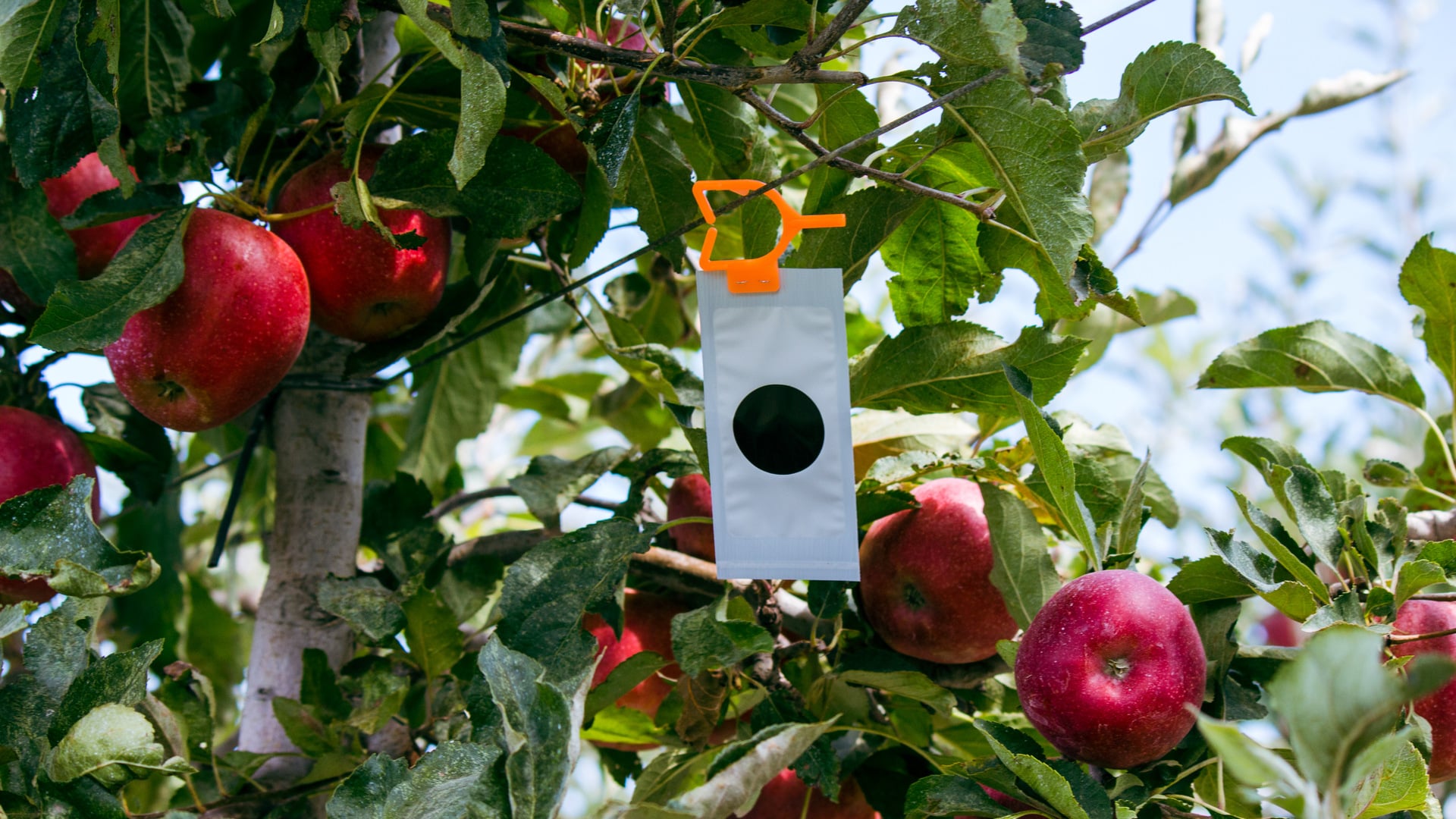
CheckMate® CM-XL 2.0 Dispenser is Suterra’s improved season-long mating disruption dispenser for control of codling moth (CM) in apple, pear and walnut crops. This easy-to-deploy product releases the sex pheromone of the CM pest continuously throughout the orchard, reducing adult males’ ability to find females disrupting the mating cycle and suppressing pest populations.
CheckMate® CM 2.0
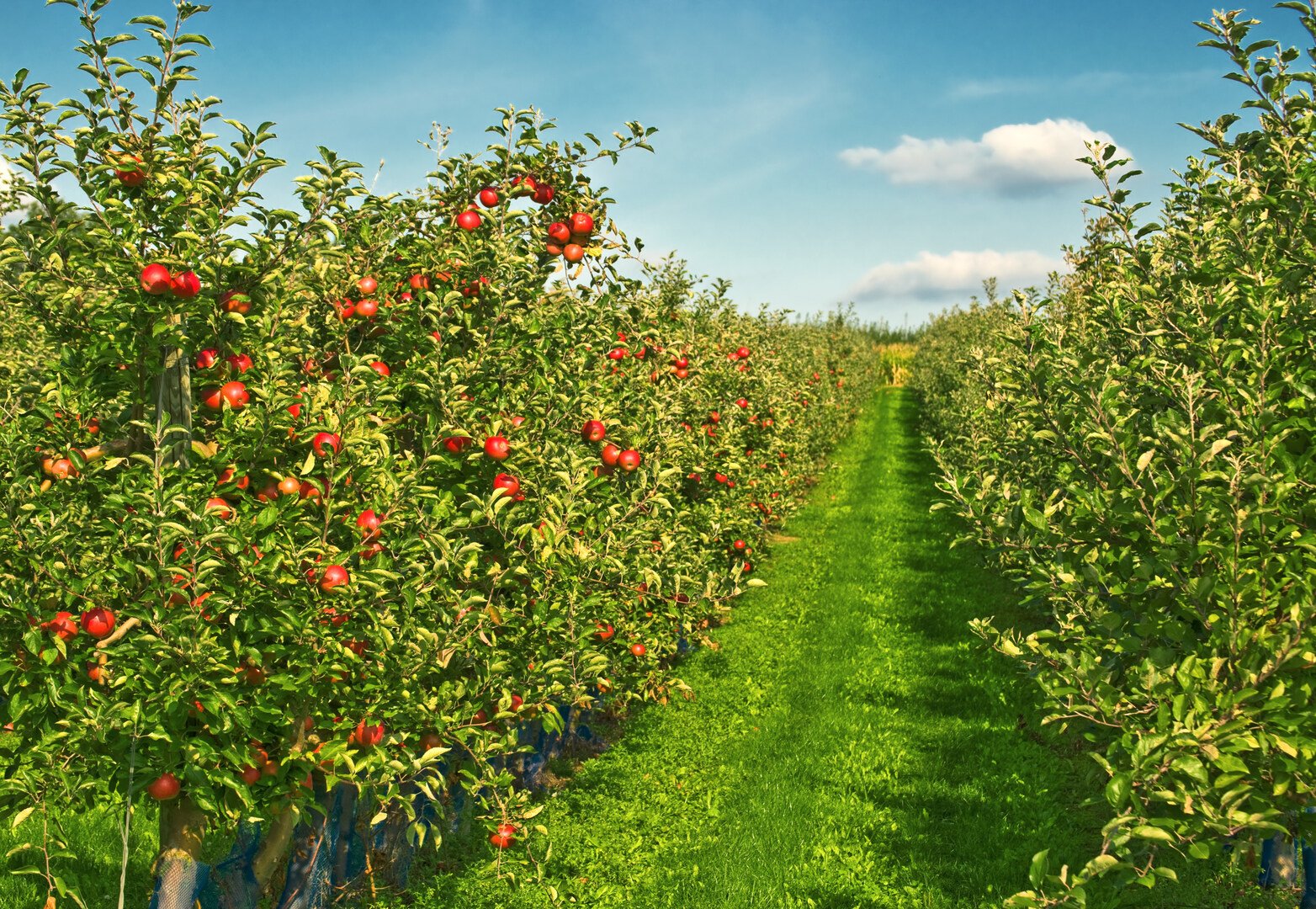
This is an easy-to-deploy, flexible option for CM control, CheckMate® CM 2.0 Flowable easily fits into growers’ existing integrated pest management (IPM) program. It is tank-mixable with common agrochemicals and works well with nearly any water volume. This product releases the CM sex pheromone in microcapsules throughout the orchard, reducing adult males’ ability to find females to disrupt the mating cycle and suppress pest populations.
Want to talk CM?
Complete the form below and we will contact you promptly.
CheckMate® Puffer® CM-OFM Pro Now Registered for Use in North Carolina
Aug 4, 2025, 9:30:00 AM
August 2025 – We are pleased to announce that CheckMate Puffer® CM-OFM Pro has officially received registration for use in North Carolina. This new...

The Science of Microencapsulated Pheromone Technology
Apr 17, 2023, 10:37:55 AM
This article was updated May 2025. Mating disruption has significantly improved the effectiveness of Integrated Pest Management programs in multiple...